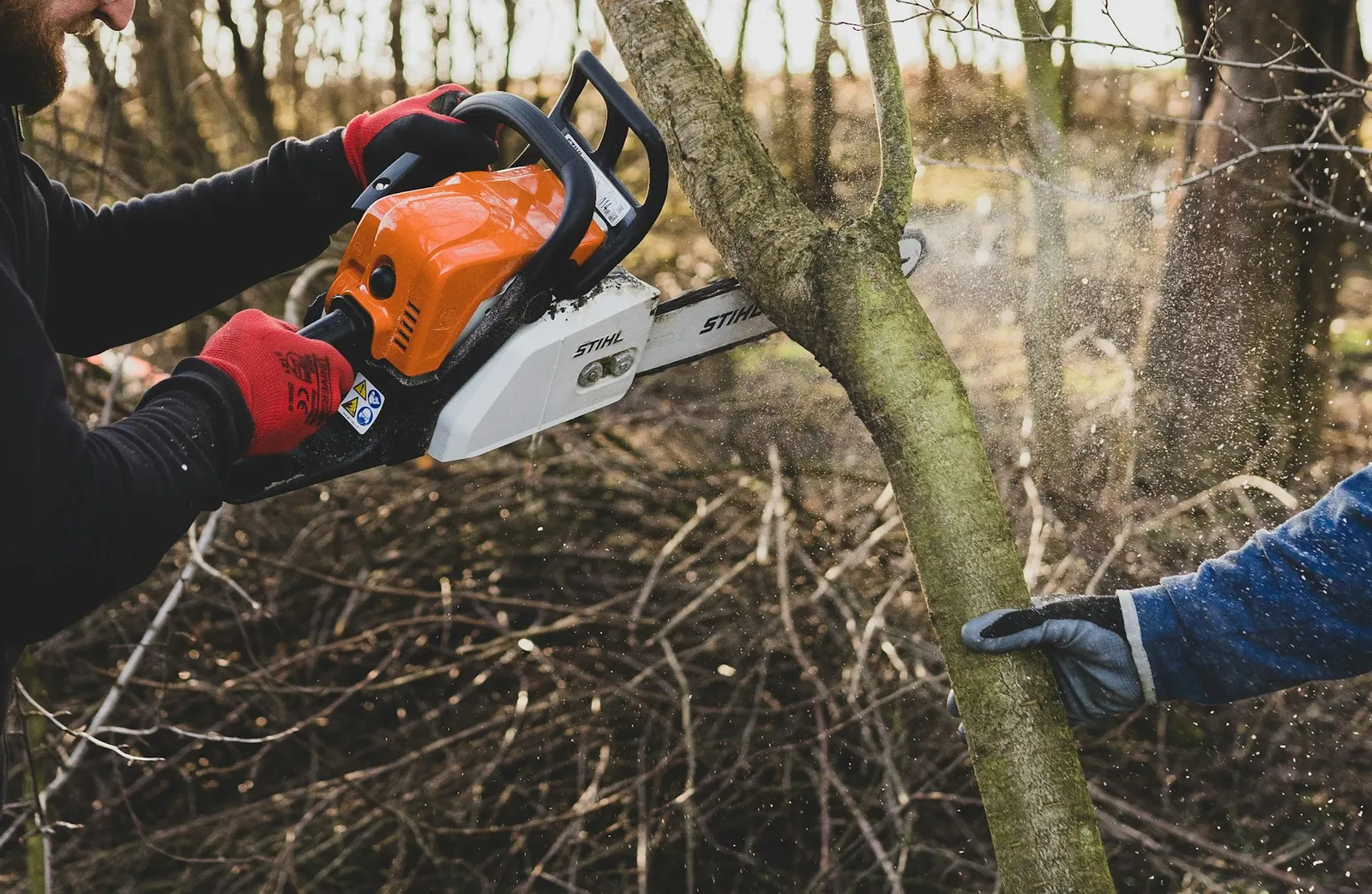
A homeowner walks you to the back fence. The tree is tall, the fence is close, and there is a shed underneath. You look at it, think for a minute, and throw out a number. On the drive home you wonder if you left money on the table or priced yourself out.
Most owners price this way at first. The problem is not the number. It is that the number changes depending on your mood, the day, and how busy next week looks. Two estimators quote the same tree differently, and nobody can say why.
A simple fix is to group removals into three sizes and price each group the same way every time. You are not copying anyone else’s prices. You are building your own tiers from your own costs.
Why job size is the right first cut
Homeowners search for tree removal pricing by job size because that is how they think. They do not know board feet or species. They know the tree is small, medium or big, and they want a rough idea before they call.
That matches how the work actually changes. A small removal is a ground job with hand tools. A medium removal needs climbing or a lift and more rigging. A large removal needs a bigger crew, heavier gear, and often a crane or a lot of careful rigging near structures.
If you can sort a job into one of three buckets, you already know roughly how many crew hours, how much equipment and how many trips to the dump it will take. That is most of your price.
Build the three tiers from your own numbers
Before you set any prices, write down what each size really costs you. Use your last ten jobs as a guide. Our tree job estimator and tree size estimator help you put real numbers on height, spread and access.
Here is a starting frame. The dollar figures are placeholders. Put your own costs in each cell.
| Item | Small | Medium | Large |
|---|---|---|---|
| Typical height | Under 30 ft | 30 to 60 ft | Over 60 ft |
| Crew size | 2 | 2 to 3 | 3 to 4 plus a climber or lift |
| Crew hours | 2 to 4 | 4 to 8 | 8 to 16 |
| Equipment | Chainsaws, ropes, chipper | Chipper, rigging, maybe a lift | Crane or heavy rigging, big chipper, skid steer |
| Disposal | One truckload of brush | Two to three loads | Several loads, possible log hauling |
| Travel | Local | Local | Local or longer |
| Your price | $___ | $___ | $___ |
Fill the last row from the rows above it, not from what a competitor charges. Start with your crew day rate from the crew day rate calculator. Add equipment, disposal and travel. Add your margin. That is your tier price.
Once the tiers are set, put them in writing. The price guide builder gives you a clean sheet you can hand to a new estimator or keep in the truck.
What actually moves a job between tiers
Most trees drop into a tier without much debate. A few things can push a job up a tier or add a line, and you should name them so everyone quotes the same way:
- Access. A tree in the open is one thing. A tree behind a locked gate, over a pool, or between two houses is another.
- Lean and structure. A dead or leaning tree near a target takes more time and more care. Keep this general and follow safety guidance from official sources.
- Power lines. If lines are involved, stop and follow the utility’s rules. That is not a pricing question.
- Disposal distance. A long drive to the dump changes the math. Our disposal cost calculator shows the effect.
- Stump. Price grinding as its own line, not baked into the removal.
Everything else is noise. If a homeowner asks why a tree costs what it does, you point to the tier and the one or two things that moved it.
Put the tiers on the quote
A tier sheet is only useful if the customer sees it. Show the size, the work included, and what is not included. Keep it plain.
Example: “This is a medium removal. It includes the crew, the climb, chipping the brush and hauling the wood off site. Stump grinding is a separate option below.”
That one paragraph answers most of the questions before they are asked. It also protects you when a homeowner expected the stump gone and it was never on the quote.
A short checklist before you send any quote
- The job is sorted into small, medium or large
- The tier price comes from your own cost sheet, not a guess
- Access, lean and disposal distance are noted
- Stump grinding is a separate option line
- Power lines or permits are flagged for a second look
- The quote says what is included and what is not
- Someone else reads it before it goes out
Try it: run your next three quotes through the tree job estimator and compare the result to what you would have guessed. If the gap is big, your tiers need work.
Keep the tiers honest
Prices drift. Fuel moves, dump fees move, and your crew gets faster or slower. Once a season, pull ten recent jobs and check each one against its tier. If most large jobs ran over, the tier is wrong, not the crew.
Homeowners often get two or three quotes. A clear quote that says what is included is easy to compare and easy to say yes to. A tier system gives you that consistency.
Where the phone fits in
None of this matters if the call never gets answered. According to Invoca, about 27% of calls to home-service businesses go unanswered, and under 3% of those callers leave a voicemail. A homeowner who cannot reach you will call the next name on the list, and your tier sheet never gets used.
Catch the call, then quote from the tiers. If you want to see where leads slip away between the call and the signed estimate, start with a free audit. It shows you the gaps in plain English, and you can fix the pricing side with the pricing and estimating guide.
Keep it simple. Three sizes, one sheet, one way to quote. Your numbers get better, and your quotes get faster.


